Match.com holds a long position in online dating, one of the better-known platforms for people who want real relationships. Users arrive with different goals. Some want companionship, others test casual dating, a share still aims straight at long-term commitment.
The data from 2026 gives a clearer read. Who shows up. What they expect. How often connections actually happen.
A key driver sits in the Match.com age range. The platform does not skew young like swipe-first apps. It pulls in users across age groups, including older singles who lean toward serious intent. That mix shapes behavior on the platform, and outcomes too.
We think this distribution matters more than feature sets. Broad age coverage changes matching patterns, shifts expectations, sometimes slows things down. It also filters out low-intent usage.
Looking at Match.com statistics in 2026, the picture sharpens. Audience structure, stated goals, and measurable success rates start to line up. Not perfectly. Still, enough to map how the service connects people.
10 Key Match.com Statistics
Understanding the Match.com target audience helps paint a clearer picture of the platform’s influence in online dating. Here are ten key statistics that define its user base and performance in 2025:
- Approximately 5.8 million active users worldwide.
- The platform has 57.9% male and 42.1% female users.
- Popular among mature singles, with the largest age group being users aged 55 to 64.
- Around 80% of Match.com members have attended college or hold a degree.
- Approximately 59% of users are single parents.
- Users need a paid subscription for messaging and other premium features.
- While Match.com is most popular in the United States, it also has a significant presence in Canada, the UK, Australia, and other countries.
- Users primarily seek serious relationships, with over 60% of members looking for long-term commitments.
- Users spend 23 minutes per day browsing profiles.
- Thousands of marriages and long-term relationships.
User Demographics: Who Uses Match.com?
Understanding Match.com demographics provides insight into the type of people who use the platform and the diversity of the dating pool.
Gender Ratio
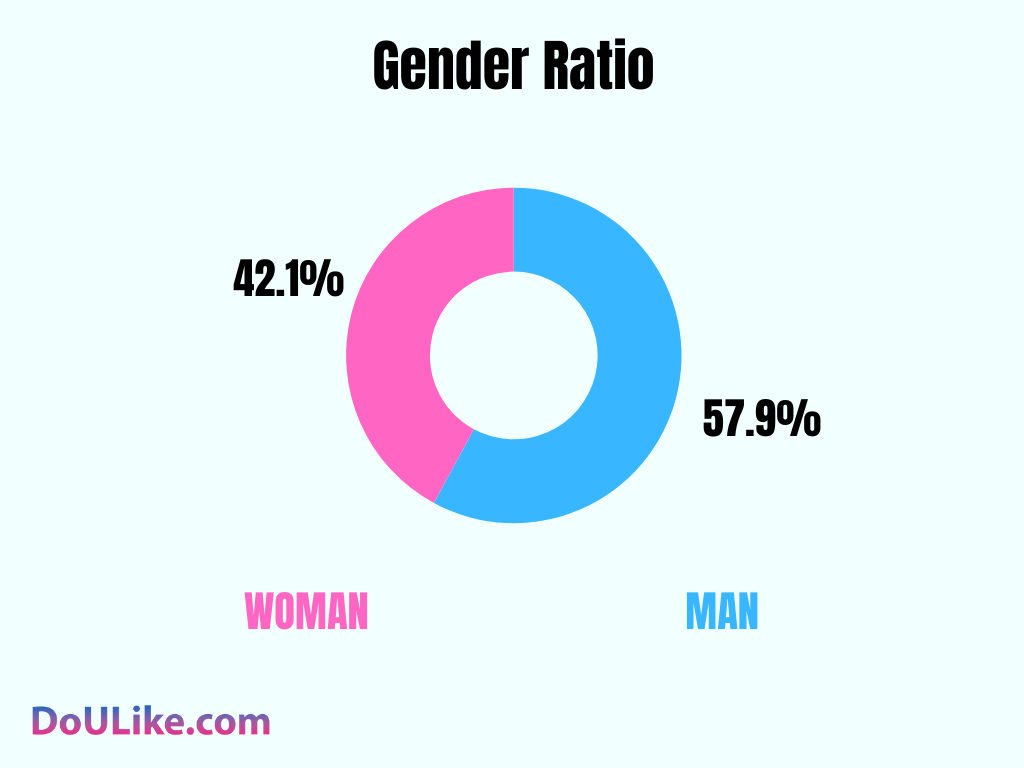
One of the most critical factors in online dating is the gender distribution of users. Match.com users consist of:
While this male majority is standard across many dating apps, Match.com has taken steps to ensure an engaging experience for all users by implementing quality matchmaking algorithms. (Similarweb)
Match.com Age Range
The match age range is one of its defining characteristics. Unlike many modern dating apps focusing on younger audiences, Match.com attracts a more mature crowd. The most active age groups include:
- 55-64 years old (largest group)
- 45-54 years old
- 35-44 years old
This makes Match.com an ideal choice for those seeking a serious relationship later in life. (Similarweb)
Relationship Goals
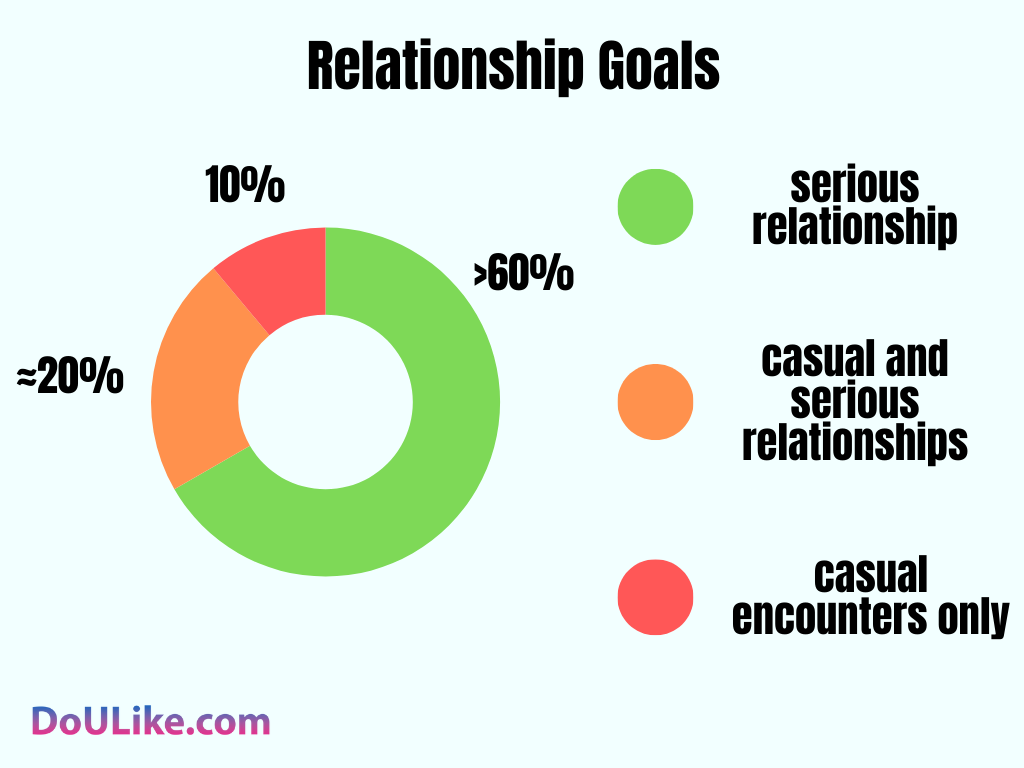

User intent shapes the platform. Match.com leans hard into long-term outcomes. Marriage talk, even. That reputation did not appear overnight.
- Over 60% of members report interest in serious relationships.
- Around 20% keep options open, casual or serious, depends on timing.
- Less than 10% focus only on casual encounters.
This aligns with the match.com average age, as Older users focus more on commitment. They avoid games. They expect clarity, or at least try to get it early.
Most Common Professions Among Users
Match.com does not release detailed data on user job titles. The platform still draws a wide professional mix, tied to its large pool of educated members. The most common professions among Match.com member include:
- Healthcare professionals (doctors, nurses, therapists)
- Educators (teachers, professors, researchers)
- Business executives and entrepreneurs
- IT professionals (software engineers, data analysts)
- Government and military personnel
We think the pattern is simple. Professionals look for something more grounded. Less noise. Less swipe fatigue, honestly. A space that leans toward commitment, not quick matches.
Geographic Breakdown: Where is Match.com Most Popular?
Although Match.com is a global dating platform, its highest user concentration is in English-speaking countries. The top five countries where Match.com is most used are:
- United States – Most of Match.com’s users are based in the U.S., where it has been a leader in online dating since 1995.
- Canada – With many Match.com members, Canada ranks as one of the most active regions.
- United Kingdom—Match.com has established itself as a popular dating platform in the UK, appealing to singles of different age groups.
- Australia – The platform has seen steady growth in Australia, particularly among professionals.
- France – Match.com has expanded in Europe, with a solid presence in France and neighboring countries.
Users often judge Match.com through outcomes, not marketing. Before subscribing, it’s worth weighing the pros and cons of match.com — its paid model filters intent early, but the price point isn’t for everyone. As of 2025, the platform still attracts people who want stable relationships.
Comparison: Match.com vs. DoULike
The contrast sits in user intent and mechanics. Match.com leans toward commitment, slower pacing, fewer but more deliberate interactions. DoULike moves faster. More volume, lighter entry, different expectations. Pricing reflects that split. One asks for upfront commitment, the other delays friction until interaction.
| Category |   |  |
| Founded | 1995 | 2005 |
| Active Users | ~5.8 million | 1+ million |
| Average Age | 45–64 (largest group) | 30–45 |
| Male-to-Female Ratio | 57.9% men / 42.1% women | More balanced (boosted by free access for women) |
| Relationship Goals | 60%+ seeking serious relationships | Primarily serious, value-based connections |
| Typical Professions | Healthcare, education, IT, business, government | Creative Fields, Medical, Business |
| Main Matching System | Traditional algorithm + preferences | ValueMatch based on beliefs & life priorities |
| Mobile Apps | iOS & Android | iOS & Android |
| Top Countries | USA, Canada, UK, Australia, France | USA, Canada, UK, Australia, Europe |
| Pricing Model | Freemium + paid subscriptions | Free for women; men pay only if you get a response |
| Cost | Approx. $20–$40/month (varies by plan & region) | Star Membership: from $19.95/month |
| Best For | Mature singles seeking long-term commitment or marriage | People who want safe, value-driven dating with real profiles |
Match.com Match Statistics
Average Number of Messages Exchanged Before a First Date
Users differ a lot here. Match.com does not publish exact figures. General dating patterns point one way. People who build a short back-and-forth tend to meet sooner. Some stretch it. Others don’t. Reddit discussions suggest a rough pattern. Around 8 to 12 thoughtful messages, spread across 1 to 2 days, then a meetup suggestion. Not a rule. Just how it often plays out. (Reddit)
Match Acceptance Rate: How Often Do Users Say “Yes” to Potential Matches?
No official acceptance rate exists for Match.com. External platform studies fill the gap. Men like more profiles, often in bulk. Women filter harder, slower. This creates uneven match outcomes. Estimates from other apps show men may get one match per 40 likes. Women, closer to one match per two likes. Big gap. Behavior drives it, not just algorithms.
Subscription & Revenue Statistics
Total Number of Paying Subscribers
As of 2024, Match Group, the parent company of Match.com, reported approximately 15.2 mn paid users across all its platforms, a decrease from a peak of 16.5 mn in the third quarter of 2022. (Statista)
While the exact number of Match. Com-specific subscribers aren’t specified; the platform remains a significant contributor to the group’s overall subscriber base.
Breakdown of Subscription Plans and Their Popularity
Match.com runs multiple subscription tiers. Standard plans cover unlimited messaging and profile browsing. Premium layers add boosts, read receipts, and similar extras. No public split by plan adoption. Users self-select, depending on intent, budget, mood even.
Annual Revenue and Financial Growth Trends
According to analysts, Match Group posted $3.3 bn in revenue in 2023, up 5% year over year. (Business of Apps)
Demand for online dating still holds, steady enough. We think the category keeps pulling users in, though pressure builds. Market crowding grows. User expectations shift, fast sometimes, unevenly. That tension shows up in financial results.
Match.com Success Stories: The Marriage Factor
How Many Marriages Have Resulted from Match.com?
Reports over the years link Match.com to a large number of marriages. Exact counts stay out of reach. The company has long pointed to strong outcomes, long-term relationships, weddings, all that, though hard numbers shift or go missing.
Earlier data suggested a solid share of U.S. marriages that began online started on Match.com. The space changed fast. New apps flooded in, user behavior scattered, tracking became messy. Clean, current figures now sit behind gaps, estimates, or marketing claims.
Match.com Divorce Rates
Public data on divorce among couples who met on Match.com does not exist. No official dataset, no consistent release. Analysts would need long-term tracking across years, maybe decades, to even try a clean read.
Divorce depends on many drivers. Income, age, prior marriages, timing, location. Meeting online or offline sits as just one piece, maybe small. Isolating that factor alone would require tight controls, large samples, careful design. According to analysts, that level of study remains rare, almost absent.
Conclusion
Match.com remains a major online dating platform built for people who want stable relationships. Many competing apps push short-term interactions or quick matches; this one keeps its focus narrow. Users aiming for commitment still gather here in high concentration.
Data on usage, demographics, and reported outcomes shows clear patterns. Mature singles dominate. Professionals show up often. People searching for marriage, not just dates, continue to drive activity on the platform.
Challenges and the Future of Match.com
Pressure builds from newer apps. They move faster, feel more interactive, lean into video, push AI matching harder. Match.com has to keep up. Product changes cannot lag, not even a little.
User experience needs constant adjustment. Small friction points stack up. People leave.
The subscription model still brings in revenue, yes. But free platforms keep pulling attention away. That shift matters. Users now expect visible value before paying, not promises.
We think the next phase depends on feature clarity. Better AI matching, sharper personalization, stronger video profiles. Maybe deeper behavioral signals. Maybe.
Without that, the gap widens.
Final Thoughts
Match.com keeps its position as a dependable option for people who aim at long-term relationships or marriage. The platform centers on compatibility, and that shows in outcomes. We think the audience skews educated, intent-driven, less casual. Success rates stay high, at least compared to swipe-first apps.
For users entering online dating, or those still searching after a long stretch, the structure helps. Navigation feels clear. Flows make sense. You move through profiles without friction, and the system pushes relevant matches instead of noise.
The product continues to adjust as the market shifts. Features change, matching logic gets tuned, small things but they add up. Maybe not flashy, still practical.
The user base counts in the mn. Reputation holds steady. That combination tends to keep platforms alive longer than hype cycles. Match.com likely stays in the mix for years, serving people who approach dating with intent. Not everyone, sure. But that group stays loyal.
Sources
Our Editorial Team at DoULike understands the challenges of today’s dating scene. That’s why we offer guidance on everything from online profiles to in-person chemistry. With our tips, you’ll feel ready to take the next step in finding love.
